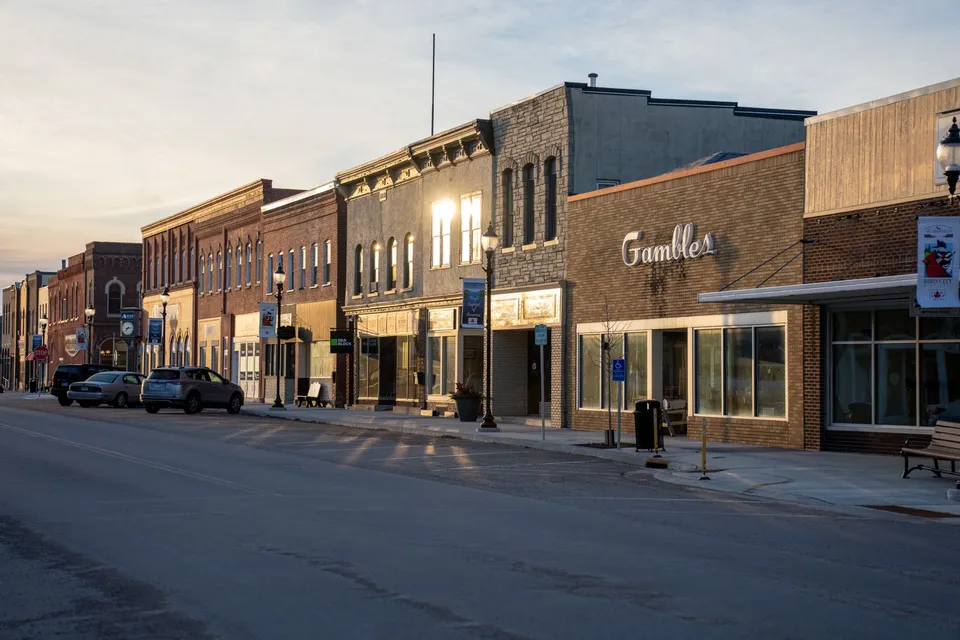
Nashwauk looks small on a map, but in a town this size, one address detail can change a household’s daily routine. The city’s own records separate Nashwauk city from Nashwauk township, and the distinction matters for utilities, road patterns, and the way people organize work, school, and errands. The city’s 2020 population was 970, which is small enough that local systems matter a lot and broad regional averages can miss the real picture.
That is why a move for work in Nashwauk should not start with a wage number alone. It should start with the address, the utility setup, and the nearby training and service hubs that will shape everyday life. The city’s own Utilities page shows active municipal administration, including a completed service-line materials inventory submitted to the Minnesota Department of Health, and the departments page places city services at 301 Central Avenue. In a small town, that is not background noise; it is the practical center of how households interact with local government.
Why the city line matters more than people expect
In a larger place, city limits can feel abstract. In Nashwauk, they are more concrete. The research notes that Nashwauk city and Nashwauk township are separate geographies, and that overlap should not be blended casually. A person living in the city, a person living just outside it, and a person commuting in from a nearby community may all say they live in the Nashwauk area, but their daily experience can differ in municipal service, housing type, and road context.
That matters when you are choosing where to live for work. If you are a new hire, a spouse, or a family making a relocation decision, the question is not just whether a job is nearby. It is whether the address fits your actual routine. Does the household want a city setting with direct municipal service administration, or a township setting with a different pattern of local services? The source set does not support guesswork beyond that, and it is better to treat the boundary as a real planning issue than to assume all Nashwauk addresses work the same way.
Nashwauk’s history explains why infrastructure still matters
The city’s history page describes Nashwauk as the first mining community to develop in Itasca County, with the first ore shipped in 1902 from the Hawkins mine. It also notes that the town was platted in 1902, incorporated in 1903, and quickly followed by waterworks, electric street lights, and sanitation. Those details matter because they show a long pattern: in Nashwauk, growth has always been tied to utility systems, not just to buildings or jobs.
That history makes the current utility record easier to understand. When the city says it has completed a service-line materials inventory, it is continuing a local tradition in which infrastructure is not invisible. It is part of the town’s operating identity. For someone relocating for work, that is useful to know because it tells you Nashwauk is a place where municipal systems still matter in everyday life, even if the community is small.
The regional training map is bigger than the town itself
Nashwauk does not need to provide every kind of training within city limits to be a strong place to live and work. The most useful verified postsecondary options in the area are Minnesota North College’s Hibbing and Itasca campuses. The college’s campus page says Hibbing and Grand Rapids are the key nearby nodes, and the program pages show a broad mix of pathways: nursing, peace officer education, early childhood education, engineering, natural resources, GIS, construction management and supervision, industrial mechanical technology, manufacturing technologies, IT networking and security, diesel mechanics and heavy equipment, electrical maintenance and construction, welding, and related transfer options.
That spread matters because it gives working adults and newer graduates more than one route into local employment. A person who wants hands-on technical work can look at welding, industrial mechanics, diesel, or electrical training. A person who wants a service role can look at nursing, education, or public safety. A person who wants a bridge to a four-year path can use a transfer program. The important point is not that everyone should enroll, but that the region offers practical options for people who want to build a career without leaving the Iron Range entirely.
The campus details also help new residents understand why the local work map extends beyond Nashwauk itself. The Hibbing campus has shop and simulation spaces that support hands-on learning, while the Itasca campus in Grand Rapids is tied to liberal arts, education, engineering, natural resources, and related fields. For a household deciding where to settle, that means the nearest useful service and training centers are not one vague metro area; they are two specific regional hubs with different strengths.
What this means if you are moving for work
The safest conclusion from the evidence is simple: Nashwauk is small, but it is not isolated from the region’s training and service network. City administration is active. Utility systems are part of the town’s identity. The city and township distinction matters. And nearby campuses in Hibbing and Grand Rapids give residents real educational and workforce options.
At the same time, the sources do not justify overpromising anything about vacancies, shortages, or hiring surges. A city utility page is not a job posting, and a college program list is not proof of immediate openings. The strongest local story here is structural: Nashwauk has the civic backbone, the regional training access, and the small-town scale that can make a work move feel manageable if you choose the right address and the right support network.
For newcomers, that is a helpful way to think about the move. First, confirm whether the property sits in Nashwauk city or township. Second, compare your likely commute with the city’s service setup and the regional campus options. Third, decide whether your household will lean more on Nashwauk’s municipal core or on the broader Hibbing-Grand Rapids corridor for training and day-to-day needs. That is a more realistic planning process than chasing a headline about one employer or one project.
If you are weighing a move, start with the city’s Utilities page and the Minnesota North College campuses page, then match the address you are considering to the kind of work and daily routine you actually want.