Skills that transfer across industries
The Iron Range economy has always rewarded practical skills. Mining is the industry most closely associated with the region, but the same abilities that keep mines operating are also valuable in manufacturing plants, truck fleets, construction companies, shops, utilities, warehouses and service businesses. For workers in and around Nashwauk, building transferable skills can make a career more resilient when one employer or industry slows and another starts hiring.
Mechanical aptitude is one of the best examples. A person who understands engines, hydraulics, electrical troubleshooting, preventive maintenance or equipment inspection can often move between heavy equipment, diesel fleets, industrial machinery, powersports, marine service and other mechanical environments. Employers may use different equipment, but the habits of diagnosing a problem, working safely and documenting repairs remain useful almost everywhere.
Commercial driving skills are similarly portable. Northern Minnesota businesses depend on drivers to move materials, products, equipment and supplies. A CDL can support careers in local delivery, tanker operations, construction support, waste and recycling, logistics, road maintenance and industrial services. Endorsements, a strong driving record and a history of dependable attendance can expand the number of employers willing to consider a candidate.
Fabrication and manufacturing skills
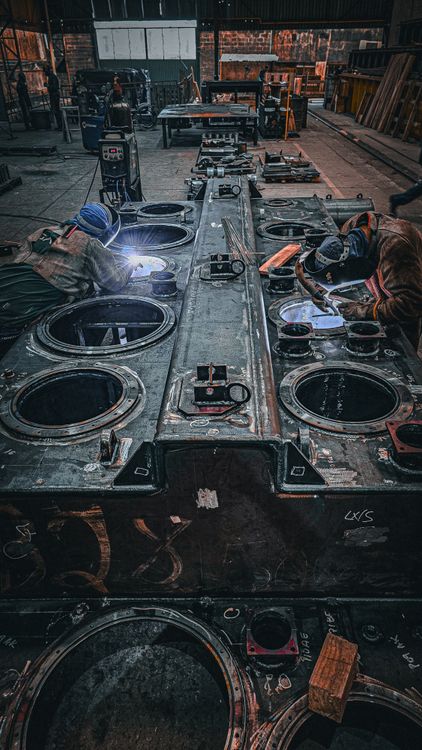
Fabrication and manufacturing skills also translate well. Blueprint reading, measuring, press brake operation, welding, assembly, inspection, forklift operation and material handling are valuable across many production settings. Even when a worker has not used the exact machine an employer owns, a strong foundation in safety, quality and production discipline can shorten the learning curve.
The importance of soft skills
Soft skills matter just as much as technical abilities. Employers consistently need people who show up, communicate, follow instructions and work safely with a team. In smaller labor markets, reputation can travel quickly. A worker who becomes known for reliability may gain access to better shifts, higher responsibility and opportunities that are not widely advertised.
For Nashwauk residents, the regional nature of the labor market is an advantage. Nearby communities offer mining, industrial, construction, transportation, health care and service employers within a broader commuting radius. Workers who avoid limiting themselves to a single job title can often find more openings. A mechanic might also qualify as a maintenance technician. A warehouse employee with equipment experience may move toward production or shipping. A laborer with a good safety record may progress into operating equipment.
Training can accelerate those moves. Short credentials, employer-provided training, CDL endorsements, safety certifications or updated software skills may be enough to make an experienced worker competitive for a new category of job. The goal does not always have to be a long degree program; sometimes a targeted credential paired with proven work history creates the best return.
Express Employment Professionals can help job seekers describe those transferable skills in a way employers understand. Instead of seeing a resume as a list of old job titles, an employment specialist can look at what the candidate actually did: machines operated, tools used, schedules worked, certifications held, responsibilities handled and results achieved.
For workers on the Iron Range, versatility is a career asset. Skills that cross industries give people more ways to stay employed, earn more and respond when the regional economy changes.