In Nashwauk, the smartest job-search question is often not whether work exists, but where the next useful skill can be earned without turning life upside down. That is where the local geography starts to matter. Nashwauk is small enough that the city-versus-township distinction still affects daily logistics, and the city had 970 residents in the 2020 Census, so a few miles, a few classes, or a single commute change can feel meaningful fast. The city also keeps municipal utility administration at 301 Central Avenue, which is a reminder that local life here still runs through very concrete services, not abstract regional systems.
Why two nearby campuses matter more than one big promise
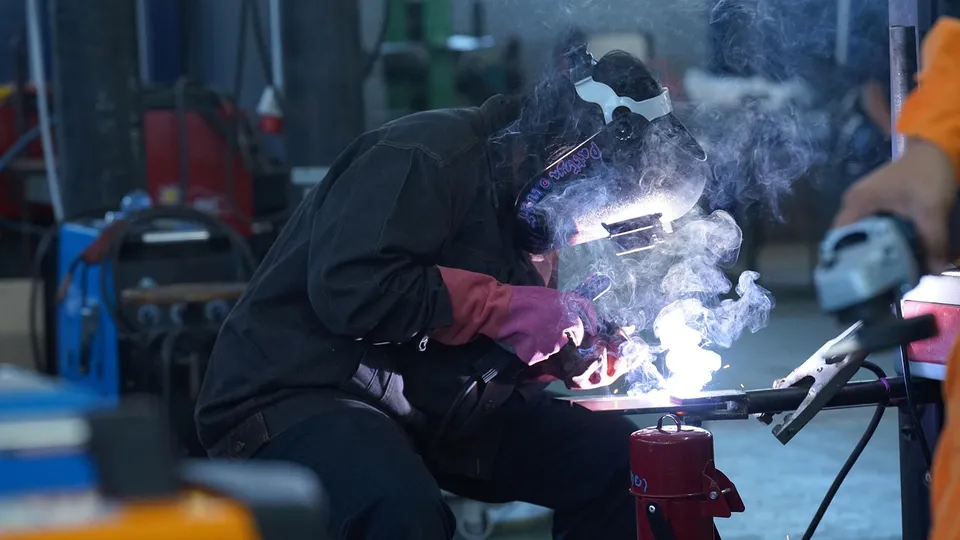
For a Nashwauk applicant, the most important training fact is that Minnesota North College gives the region two different anchors: the Hibbing campus and the Itasca campus in Grand Rapids. The college’s campus page says Hibbing and Itasca are both part of the system, but they do not feel interchangeable. Hibbing is the campus with a welding shop and nursing simulation labs; Itasca is the campus in Grand Rapids that offers liberal arts, education, engineering, natural resources, and more. That split matters because it tells a worker not just where to enroll, but what kind of hands-on environment to expect once classes start.
The broader program catalog makes the same point from another angle. Minnesota North College lists programs and pathways in nursing, peace officer education, health professions, early childhood education, engineering, natural resources, GIS, construction management and supervision, industrial mechanical technology, manufacturing technologies, IT networking and security, diesel mechanics and heavy equipment, electrical maintenance and construction, welding, and related transfer pathways. In other words, the region is not offering one narrow ladder into one local industry. It is offering several skill families that can connect to schools, clinics, shops, maintenance departments, public safety work, and industrial sites.
What that means for a person who wants to stay local
The biggest advantage of this setup is flexibility. A person who wants a fast route into work can look at occupational programs built for direct employment. A person who needs a longer bridge can choose a transfer pathway. Minnesota North College’s program structure separates AAS degrees, short credentials, and transfer options, which helps a job seeker match the credential to the actual goal instead of treating every program as if it were the same investment.
That distinction matters in a town like Nashwauk because many local households are balancing work, family, and school at the same time. A short technical credential may make sense for someone already employed in maintenance, trucking, or support work. A transfer pathway may fit a younger student or a mid-career worker planning a longer move into engineering, education, or another four-year field. The college’s campus-based advising also helps here: students are assigned an advisor on their campus to build a schedule, which is a practical detail for adults trying to fit class time around a real household calendar.
The local programs that line up best with actual work patterns
Some of the strongest matches for a Nashwauk-area worker are easy to see once the program list is laid out clearly:
- Welding, industrial mechanical technology, manufacturing technologies, and electrical maintenance point toward shop work, field repair, plant maintenance, and equipment service.
- Diesel mechanics and heavy equipment fit the kind of equipment-heavy work that supports trucking, logging, hauling, and industrial operations.
- Nursing and health professions can connect to bedside care, administrative roles, and other health settings, including adult learners who are moving up from LPN-level experience.
- Early childhood education, peace officer education, and public-service pathways support the day-to-day systems that let a small town function.
- Natural resources, GIS, and engineering help explain why the region’s training picture is broader than one industry story.
That is the real value of the local college connection: it gives Nashwauk residents more than a “go to school somewhere” answer. It gives them a menu of nearby options that can match the kind of work already happening in the Iron Range economy.
Why small civic details matter to newcomers
Relocation questions in a place like Nashwauk are often more practical than dramatic. Where do you handle city business? Which address falls inside the city rather than the township? What services are managed locally instead of through a larger metro system? The city’s departments page shows a functioning municipal structure at 301 Central Avenue, and the utilities page says Nashwauk has completed and submitted its service line materials inventory to the Minnesota Department of Health. That does not tell a newcomer everything, but it does show a town that still manages core household infrastructure directly.
That matters for renters and owners alike. If you are moving for work, utility setup, local contacts, and the city-versus-township boundary can affect how quickly you settle in and how smoothly the first month goes. In a small community, the difference between a good move and a frustrating one is often not a grand real-estate question; it is whether the practical pieces line up early.
A simple rule for choosing your next step
If you want quick entry into a skilled trade, start by looking at the hands-on programs tied to Hibbing’s shop-based training environment. If you want broader options or a path toward a longer credential, look at Itasca in Grand Rapids and the college’s transfer-oriented programs. If you already work in the region and need a credential that respects family life, use the campus advisor structure to build a schedule that fits your real week, not an ideal one.
The larger lesson is that Nashwauk does not ask workers to choose between staying local and building something better. It asks them to make a careful match between the right campus, the right credential, and the right kind of work. That is a much more practical decision than chasing a vague job title, and it is often the one that leads to a steadier life.
If you want help matching a Nashwauk-area goal to a nearby job search or training path, call 218-WorkNow or email the office.