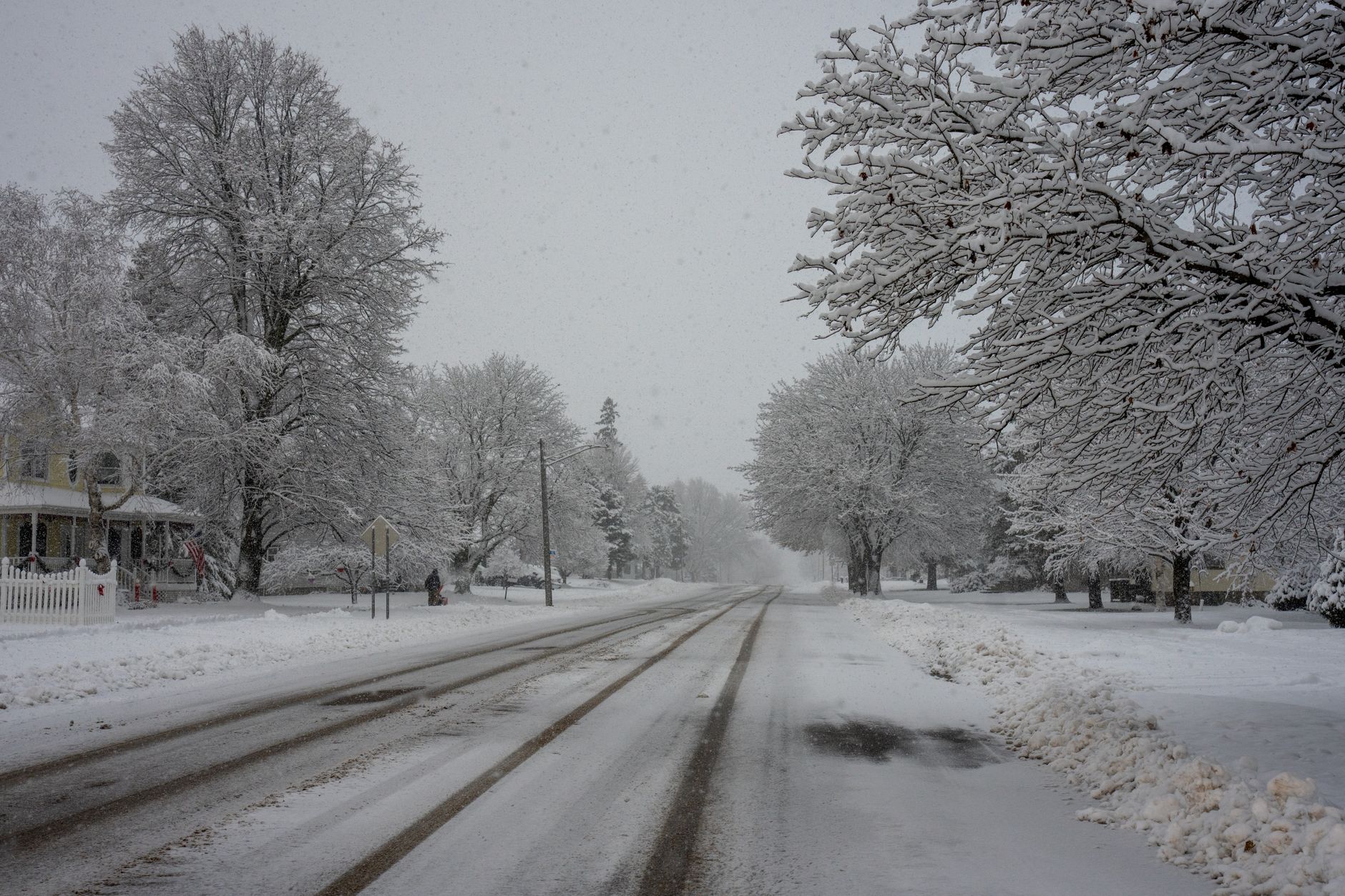
In Nashwauk and across the Iron Range, “reliable attendance” isn’t just a line in the handbook—it’s a daily negotiation with weather, road conditions, school schedules, and long commutes between small towns. For employers, a few late call-ins can derail a shift. For employees, one unexpected snow day can mean lost pay, childcare chaos, or discipline that feels out of touch with real life.
The good news: attendance problems are often systems problems, not character flaws. With clearer policies, better communication, and a few practical options that fit small-town realities, employers can reduce last-minute absences—and employees can protect their jobs and their pay.
Why Nashwauk attendance issues look different
In a metro area, a worker might have multiple routes, public transit, or backup childcare nearby. On the Range, many employees:
- Drive 20–60 minutes on two-lane highways
- Share one vehicle within a household
- Face limited childcare slots and fewer “on-call” backups
- Work seasonal or variable schedules (construction, logging, mining support, tourism)
- Deal with weather closures, power outages, or school delays that change plans fast
An attendance policy built for a big city can feel punitive here—and punitive policies tend to increase turnover.
Start with clarity: define what “on time” means
Employers often think they’ve been clear, but employees hear mixed signals. A strong attendance standard answers:
- When does the shift start? (e.g., “clocked in and at workstation at 6:00 a.m.”)
- What’s the call-in window? (e.g., “at least 60 minutes before start time when possible”)
- Who do you contact? (one number, one method)
- What counts as excused vs. unexcused?
- How are patterns handled? (not one-offs)
Practical tip for small employers
If you don’t have HR software, use a simple shared process:
- One dedicated call-in line (even a Google Voice number)
- A written voicemail/text script: name, shift, reason category, expected return
- One supervisor responsible for confirming coverage within 15 minutes
Employees don’t mind rules; they mind confusion.
Build a “Range realistic” call-in policy
A policy that matches local life can still protect operations. Consider a structure like this:
- Tier 1: Early notice (more than 2 hours before shift)
- Tier 2: Standard notice (60–120 minutes)
- Tier 3: Late notice (less than 60 minutes)
Then attach different responses to each tier. For example:
- Tier 1–2: no discipline if protected leave applies or pattern isn’t forming
- Tier 3: coaching first, discipline only if repeated without good reason
This encourages early communication without punishing the first time a truck won’t start at 5:00 a.m.
Make leave policies understandable—especially Minnesota’s rules
Minnesota’s employment landscape has changed quickly. Many employers and employees still aren’t confident about what’s allowed.
Minnesota Earned Sick and Safe Time (ESST)
As of 2024, most employees in Minnesota accrue earned sick and safe time. Key features include:
- Accrual of 1 hour per 30 hours worked
- Up to 48 hours per year can be required to accrue (and used, depending on employer method)
- Carryover rules can apply (often up to 80 hours)
- Can be used for illness, preventive care, safety needs, and certain family-related reasons
Details vary by employer size and policy design. If you’re an employer, get your ESST language reviewed. If you’re an employee, ask for the written policy and how to request time correctly.
Minnesota Paid Leave (coming soon)
Minnesota has a statewide Paid Leave program scheduled to begin in 2026. Planning now helps employers avoid a scramble later.
Note: This article is practical guidance, not legal advice. For specific questions, consult an HR professional or attorney.
Attendance points systems: keep them, but fix the common mistakes
Points systems can work in a small-town shop or a large operation—if they’re fair and flexible.
Common problems employers should avoid:
- Counting protected time off (like ESST) as a point
- No reset or improvement path (workers feel doomed)
- Same punishment for different severity (a snowstorm vs. no-call/no-show)
A more effective approach:
- Separate buckets: “protected leave,” “unprotected absence,” “no-call/no-show”
- Add a clean attendance reward (see below)
- Create an appeal process for major weather events or documented emergencies
Offer coverage options that don’t require a big budget
Employers in Nashwauk often can’t maintain a deep bench. But a few low-cost practices can keep production moving.
1) Cross-train for the top three bottlenecks
Identify the three roles that cause the biggest disruption when uncovered. Train at least two backups per role. Even partial cross-training reduces panic.
2) Create a voluntary “extra shift list”
Post open hours via text group or scheduling app. Make it opt-in, and rotate first-offer priority so it doesn’t always go to the same person.
3) Use weather triggers
When a storm is forecast, pre-plan:
- Optional early arrival for critical staff
- A 30-minute grace window for those driving from farther out
- A defined “closure decision time” (e.g., by 4:30 a.m.)
Consistency builds trust.
Reward reliability without turning it into favoritism
Attendance bonuses can backfire if workers come in sick. Instead, reward communication and planning. Examples:
- Quarterly bonus for no unprotected absences (not counting ESST)
- First pick of schedules for employees who maintain on-time percentage
- Preferred training opportunities for consistent performers
For hourly roles, even small rewards—like a paid “leave-early” hour for those who volunteer to cover—can change behavior.
For employees: protect your job by managing the “paper trail”
In small communities, relationships matter. But good documentation matters too.
Here are habits that prevent misunderstandings:
- Save the call-in number and use it every time (don’t rely on “telling a coworker”)
- Be specific: “I’m sick and using ESST today” or “I have a childcare closure”
- Give a realistic return estimate (even if it’s “I’ll confirm by noon”)
- Ask for the attendance policy in writing if you haven’t seen it
- If weather is the issue, send a photo of the road advisory or closure notice when appropriate
If you’re dealing with recurring challenges—childcare gaps, a vehicle that’s unreliable, a medical issue—talk to your supervisor early. Many employers would rather adjust a schedule than replace an employee.
A simple communication template that reduces last-minute chaos
Employers can post this format in breakrooms and include it in onboarding:
Call/Text Message Template
- Name:
- Shift start time:
- Reason (sick / family / weather / vehicle / other):
- Using ESST? (yes/no)
- Expected return:
- Best callback number:
It standardizes information and helps supervisors respond consistently.
The bottom line: stability is built, not demanded
Nashwauk-area employers don’t need “perfect” attendance—they need predictability, quick communication, and fair rules that reflect local reality. Employees don’t need special treatment—they need policies that recognize that on the Iron Range, life can change overnight.
If your workplace is seeing repeated call-ins, start by auditing three things:
- Are expectations clear and written?
- Are protected leave rules being handled correctly?
- Do people have realistic ways to communicate and cover shifts?
A few practical changes can reduce turnover, improve morale, and keep shifts staffed—whether the forecast is sunny or whiteout.