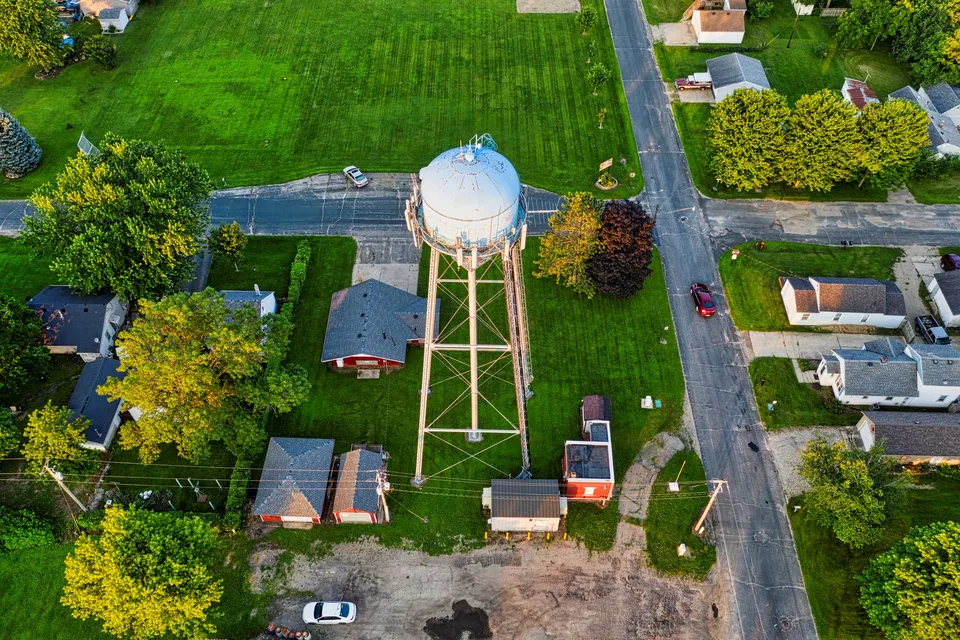
A move to Nashwauk is rarely just a move for work. In a city of 970 people, and with Nashwauk city and Nashwauk township treated as separate geographies by the Census, the practical questions are bigger than one paycheck: where will you live, how will utilities be handled, and which nearby campus or service center fits your routine?
That is why Nashwauk and nearby Keewatin should be thought of as small places with outsized logistics. The local economy is tied to regional travel, but the town itself still has its own municipal systems. Nashwauk’s utilities page says the city has completed and submitted its service-line materials inventory to the Minnesota Department of Health, and the city directory places city hall and departments at 301 Central Avenue. In other words, this is not a place where you can ignore the basics and assume everything is handled somewhere else.
A small town with a long infrastructure memory
Nashwauk’s history helps explain why the town still feels so rooted in practical systems. The city history page says the first ore was shipped in 1902, the town was platted and incorporated soon after, and waterworks, electric street lights, and sanitation followed in the years after that. That sequence matters today because it shows that civic infrastructure has always been part of how Nashwauk works, not an afterthought.
The same pattern shows up in modern development. A city council agenda PDF says Nashwauk has supported the Mesabi Metallics project for decades and extended water, sewer, and electrical service to the mining property. That does not tell a job seeker that an opening exists, but it does show how local utility planning and industrial land use remain linked. For newcomers, that is a useful reminder: in Nashwauk, work life and public infrastructure are often part of the same conversation.
The nearest training choices are part of the story
For many residents, the most practical answer to a Nashwauk job search is not a single employer but a training path. Minnesota North College’s campus and program pages show two especially relevant hubs for the area: Hibbing and Itasca in Grand Rapids. Together, those campuses offer programs in nursing, peace officer education, early childhood education, engineering, natural resources, construction management and supervision, industrial mechanical technology, manufacturing technologies, IT networking and security, diesel mechanics and heavy equipment, electrical maintenance and construction, and welding.
That mix matters because it lines up with the kinds of work a western Iron Range household may actually want: hands-on trades, healthcare support, school and childcare roles, public safety, and technical office or network work. The college also says students are assigned an advisor on their campus who helps them build a class schedule. For adults balancing a job, a family, and a possible move, that campus-based advising structure is a meaningful clue that the path to school is not meant to be abstract or remote.
What applicants and relocating families should notice
For applicants, Nashwauk is not just a place to look for a title. It is a place where your future work may depend on whether your skill set fits a small-town service environment, a trade shop, a health setting, or a commute to Hibbing or Grand Rapids. A person trained in welding may find a different fit than someone aiming for nursing, and a household thinking about childcare or school schedules will care about the same regional pattern for different reasons.
For families moving into the area, the most useful first questions are practical ones:
- Which address will put you in the city and which will place you in the township? That can affect service patterns and how you describe your location.
- Do you need a campus path that is better matched to Hibbing or to Grand Rapids?
- Are you treating the job search and the housing search as one plan, not two separate ones? In a town this small, that usually saves time.
That last point is the real Nashwauk lesson. The town’s history, utilities, and nearby training options show that everyday life here is built around coordination. The right job can matter, but so can the right side of the city line, the right campus, and the right utility contact.
If you are planning a move for work, start by matching your housing plan to the commute and the training option that fits your skill set. If you want help connecting that search to current openings, call 218-WorkNow or email the office.