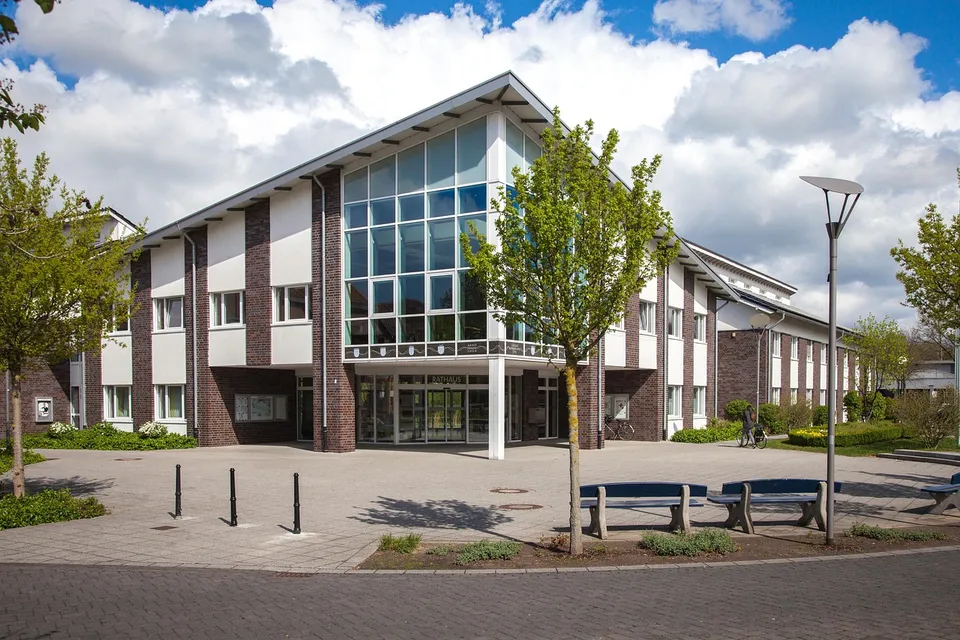
Nashwauk is small enough to fit inside one official population number—970 people in the 2020 Census—but its daily working life is not small at all. The city keeps municipal business at 301 Central Avenue, its utilities page shows an active service-line materials inventory submission to the Minnesota Department of Health, and the nearest practical training options split toward Hibbing and Grand Rapids. That spread is the real map of life here.
If you are looking at Nashwauk as a place to work or relocate for work, the most useful question is not simply “What jobs exist?” It is “Where do the basic support systems live?” In a town this size, the answer changes how you choose housing, how you plan school or training, and how you judge a commute.
The city is small, so the boundary matters
The Census treats Nashwauk city and Nashwauk township as separate geographies, which is a bigger deal here than it would be in a larger place. A household just outside the city can still think of itself as part of Nashwauk, but it may deal with a different municipal setup, different road patterns, and different service questions. That distinction matters for renters, homeowners, and employers because the practical details of work life often start with the address itself.
That is also why broad advice about “moving to the Iron Range” can miss the mark. In Nashwauk, the local map is not abstract. It affects where you ask about utilities, where you handle city business, and how far you are from the training sites that matter most.
City hall is a real part of the work system
The city’s public-facing directory and departments pages place local government services at 301 Central Avenue in Nashwauk, and the utilities page shows that municipal administration is active rather than symbolic. For a worker or newcomer, that means there is a real place to take utility questions, local paperwork, and small-but-important household issues that always come up during a move.
That kind of municipal structure is easy to overlook when people talk only about jobs. But in a small Minnesota city, city services and work life are linked. A rental decision can turn on utility setup. A small employer may need the same local contacts a homeowner does. A family moving in for a new shift schedule may need city information before it needs a restaurant recommendation.
If you want to see the official side of that picture, start with the Nashwauk utilities page and the city departments page. Those pages show where the town handles its own business.
Training is split between two nearby campuses
For job seekers, the most important nearby training fact is that Minnesota North College gives this area two different campus anchors: Hibbing and Itasca. The college’s program pages list a broad mix of pathways, including nursing, peace officer education, early childhood education, engineering, natural resources, GIS, construction management and supervision, industrial mechanical technology, manufacturing technologies, IT networking and security, diesel mechanics and heavy equipment, electrical maintenance and construction, welding, and related transfer options.
That list matters because it shows how local workers can build real skills without treating college as a vague “someday” idea. Welding can lead into fabrication or maintenance. Industrial mechanical technology can feed plant or equipment work. Diesel and heavy equipment training can support transportation and mobile repair. Nursing and health programs can lead into bedside care or other clinical paths. The point is not that one campus solves everything; it is that the region offers several different routes into steady work.
The college also makes the access model clearer. Its registration page says students are assigned a campus-based advisor who helps build a class schedule, which is useful for adults balancing work, family, and school. That is not a promise about every schedule, but it does show that the advising structure is built around a real campus relationship rather than a one-size-fits-all system.
If you want to compare those training options directly, the Minnesota North College campuses page and programs page are the best starting points.
What this means for a move, a hire, or a new school plan
The most practical takeaway is that Nashwauk’s economy is shaped by a mix of public services, training, and industrial support rather than by one employer alone. The city council agenda materials show long-running advocacy for a mine property and the extension of water, sewer, and electrical service to that site, which tells you how closely infrastructure and industrial development can be tied together here. But the same evidence also warns against assuming that a project note is a hiring notice. A city agenda is not a job posting.
That distinction matters for applicants and employers alike. Applicants should not confuse construction, infrastructure, or project activity with open vacancies. Employers should remember that workers in a small place like Nashwauk often judge an opportunity by the whole support picture: where the classes are, how the municipal system works, and whether the commute fits a household that may also include school or childcare logistics.
Nashwauk works best when you think of it as a place with a small core and a wider working radius. The city is compact, but the life around it is not. City hall, utilities, and the college campuses all shape whether a move feels manageable.
A sensible next step is simple: before you choose a shift, a rental, or a training path, check the city’s utility and departments pages and then compare them with the Minnesota North College campus pages. That takes only a few minutes, but it gives you the real outline of daily life here.